With music described as "breathtaking" (Kitchener-Waterloo Record), "imaginative and expressive" (The National Post), "a pulse-pounding barrage on the senses" (The Globe and Mail), and "Bartok on steroids" (Birmingham News), Kelly-Marie Murphy’s voice is well known on the Canadian music scene.
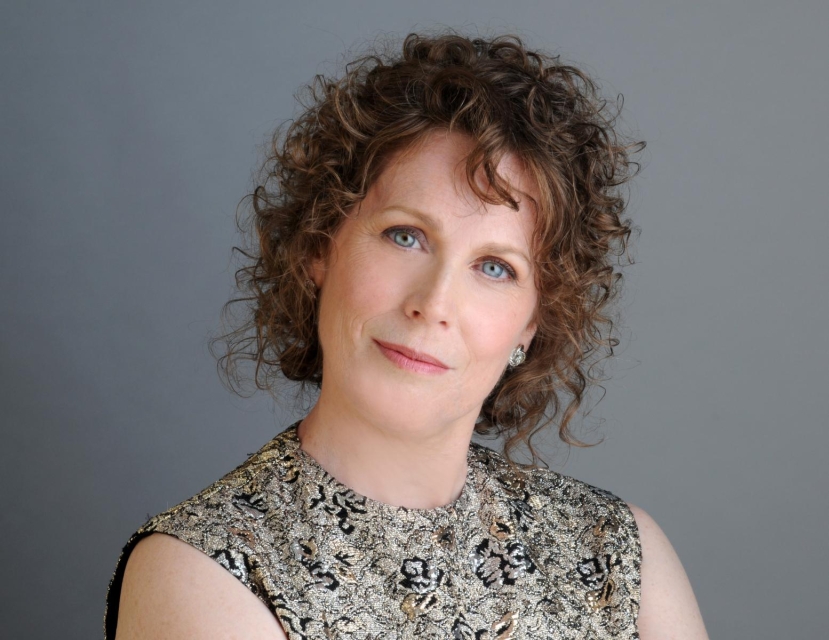
Copyrights
OPIS ZDJĘCIA: PORTRET KOBIETY (KELLY-MARIE MURPHY) W BOGATO ZDOBIONEJ BLUZCE BEZ RĘKAWÓW, MA JASNE KRĘCONE WŁOSY, fot. Alan Dean
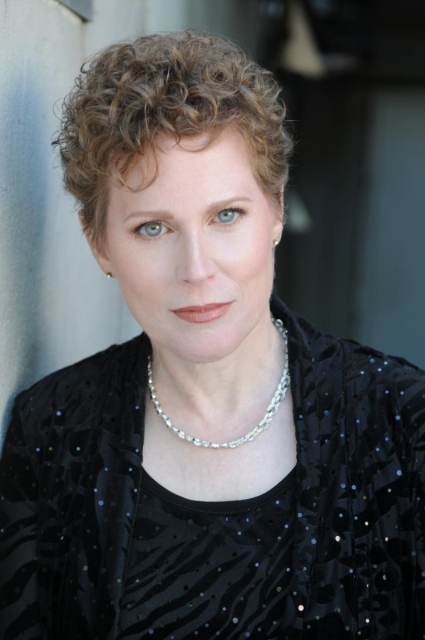
Copyrights
Opis zdjęcia: portret kobiety (Kelly-Marie Murphy) w czarnym żakiecie, ma jasne kręcone włosy, fot. Azrieli Music Prize press materials
She has created a number of memorable works for some of Canada’s leading performers and ensembles, including the Toronto, Winnipeg and Vancouver Symphony Orchestras, The Gryphon Trio, James Campbell, Shauna Rolston, the Cecilia and Afiara String Quartets and Judy Loman.
In addition to many academic scholarships awarded in Canada and England, Dr. Murphy also has won numerous prizes for her music, including most recently the 2018 Azrieli Commission and the 2017 Maria Anna Mozart Award from Symphony Nova Scotia. Her career was launched when she won first prize and the People's Choice Award at the CBC Young Composer's Competition in 1994 (string quartet category). Since then, Dr. Murphy’s music has been performed around the world by outstanding soloists and ensembles, and has had radio broadcasts in over 22 countries. Her music has been interpreted by renowned conductors such as Sir Andrew Davis, David Brophy, Bramwell Tovey and Mario Bernardi, and has been heard in iconic concert halls, such as Carnegie Hall in New York and The Mozarteum in Salzburg.
Kelly-Marie Murphy was born on a NATO base in Sardegna, Italy, and grew up on Canadian Armed Forces bases all across Canada. She began her studies in composition at the University of Calgary with William Jordan and Allan Bell, and later received a Ph.D. in composition from the University of Leeds, England, where she studied with Philip Wilby. After living and working for many years in the Washington D.C. area where she was designated "an alien of extraordinary ability" by the U.S. Immigration and Naturalization Service, she is now based in Ottawa.
En el escuro es todo uno (In the Darkness All Is One) - read the description >>
Author: Robert Markow