Copyrights
Fot. Materiały prasowe
Copyrights
Fot. Materiały prasowe
Copyrights
Fot. Materiały prasowe
Copyrights
Fot. Materiały prasowe
Copyrights
Fot. Materiały prasowe
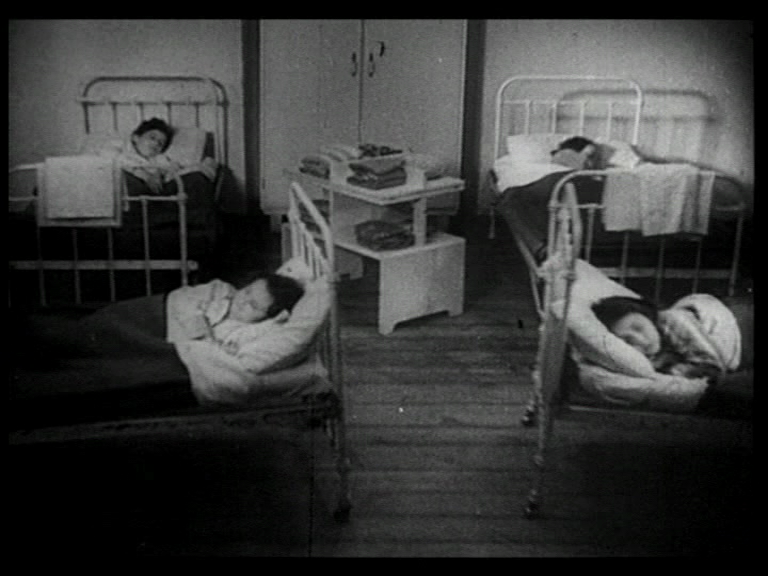
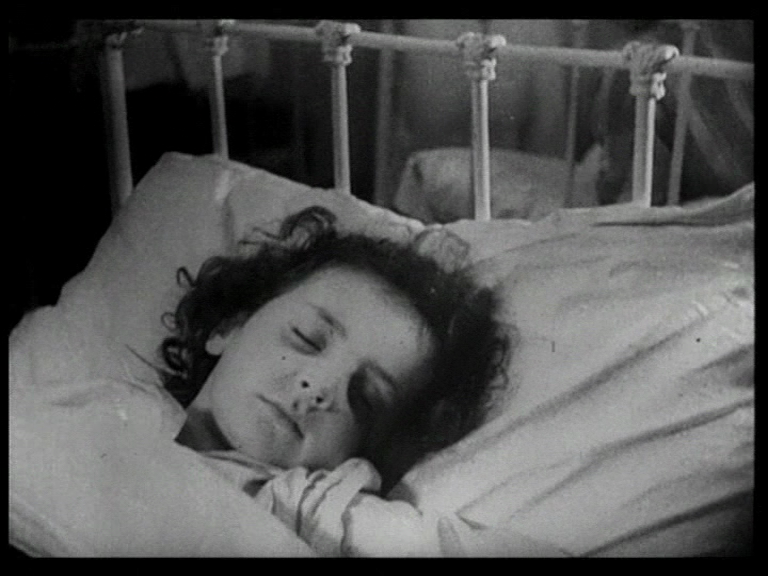
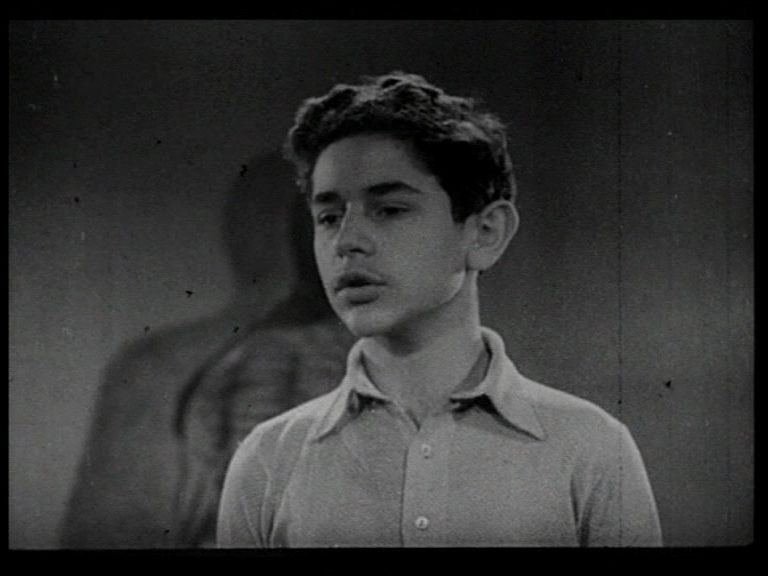
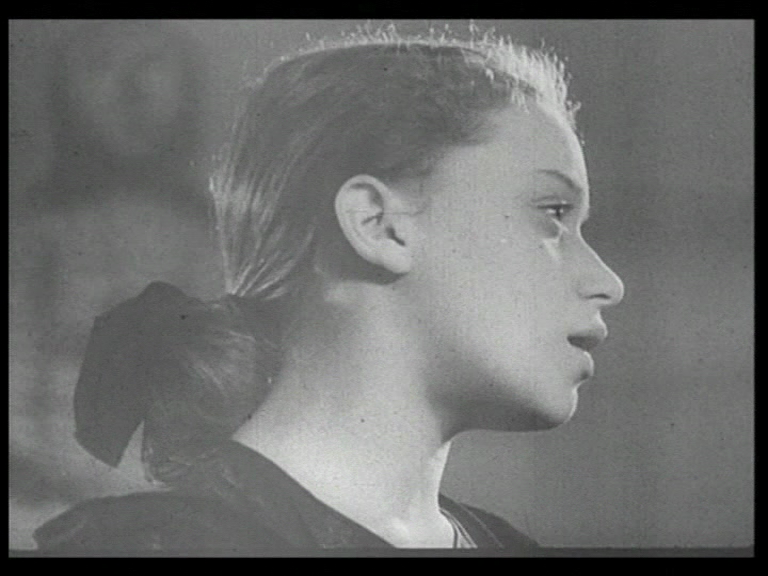
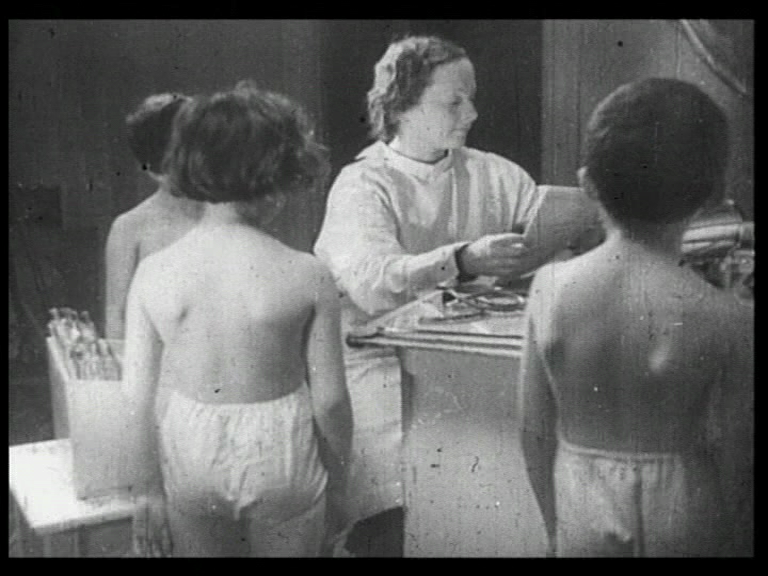
"Children Must Laugh" (Droga młodych/Mir kumen on), dir. Aleksander Ford, 1936, 45 min
A rare occasion to see this film by Aleksander Ford, made before the war, in Yiddish. Financed by the “Bund” Socialist party, this documentary with elements of fiction was made in a sanatorium for Jewish children in Miedzeszyn. It tells the story of the children’s return to health and of the rebuilding of human bonds. When it first screened, the film was charged with “containing scenes that feed on the misery of the masses and promote communist ideas under the guise of humanitarianism and modern child rearing methods”, subsequently condemned to oblivion. It was nonetheless shown during private screenings before the war, and after it, a short version of the film was created.
After the screening, join us for a discussion about the life and work of Aleksander Ford with Stanisław Janicki, the director’s biographer, author of the documentary “Loved and Hated. The Drama of the Life and Death of the Maker of Krzyżacy.” During his career as a film critic, Stanisław Janicki hosted the longest-running program in the history of Polish Television – W starym kinie (At the Old Cinema).
„Aleksander Ford. Success. Power. Exile.” Film cycle
Aleksander Ford - a man of contradiction. A pre-war socialist, he became a protege of the communist regime after the war. Highly regarded for his outstanding artistic achievements (his Piątka z ulicy Barskiej received the Jury Prize in Cannes), he was the first to have adapted Sienkiewicz for the screen. In 1960, he made a grand-scale production of Krzyżacy (Knights of the Teutonic Order), a work that became nearly as important for Poles as Mickiewicz’s Pan Tadeusz.
Ford was born in Łódź as Mosze Lifszyc. For two decades he taught at the Film School in Łódź, where his students included Andrzej Wajda and Roman Polański. He made over twenty films and built the institutional base of Polish cinematography. At the same time, he was known as the Colonel - his works were often shelved, but he also censored the films of his colleagues, blocking ideas and holding back scripts.
After the antisemitic purge of 1968 - 45 years ago - he was barred from creative work. He left the country a year later. It was often said that he would have been one of the fathers of Hollywood had he left for the United States in the 1920s - but at the beginning of the 70s he could hardly find his place there. He committed suicide in Florida in 1980.
Within the framework of the cycle we will show four feature films by Aleksander Ford:
September 4, 7 pm - Ósmy dzień tygodnia (Eighth Day of the Week), 1958
September 11, 7 pm - Piątka z ulicy Barskiej (Five Boys from Barska Street), 1954
September 19 - Ulica Graniczna (Border Street), 1948
September 25 - Droga Młodych (Children Must Laugh, Mir kumen on), 1936.
The screening will be followed by a discussion about the life and work of Aleksander Ford with Stanisław Janicki, Ford’s biographer, author of the documentary Kochany i nienawidzony. Dramat życia i śmierci twórcy Krzyżaków (Loved and Hated. The Life and Death of the maker of Krzyżacy).
Tickets - 5 PLN; 15 PLN for the whole cycle (4 films)
Special screening for schools:
September 23, 10 am: Krzyżacy (Knights of the Teutonic Order)
Admission is free. Reservations required: +48 22 47 10 301
"Children Must Laugh", 1936
25.09.2013 - 25.09.2013